Automation That Feels Human: Using Marketing Automation Tools to Build Genuine Customer Relationships
Automation That Feels Human: Using Marketing Automation Tools to Build Genuine Customer Relationships
Marketing automation for small business often feels like cold, robotic messaging. But what if you could use these tools to build genuine customer relationships that actually feel personal? You can craft smart workflows—like lead nurturing and post-purchase follow-ups—that speak directly to your customers’ needs without overwhelming your team. In this post, you’ll learn how to keep your marketing human using proven methods and KendallCatherine’s Brand Together framework and Brand Hub platform. For more insights, explore this guide.
Human-Centered Automation Strategies
Let's explore how to make your business's automation strategies feel more personal and less mechanical. You can connect more effectively with your customers by understanding their path from prospect to loyal customer.
Mapping the Customer Journey
Start by picturing the path your customers take. It's like a roadmap guiding you through their needs and preferences. When you know where they are, you can better address their concerns. This approach helps you craft targeted messages that resonate. By understanding this journey, you build trust and loyalty with each interaction, paving the way for genuine connections.
Personalization at Scale
Imagine reaching out to a large audience while keeping a personal touch. With the right tools, you can tailor messages to different customer segments without losing that warm, personal feel. Tools like email templates and dynamic content can help. It's like having a conversation with each individual rather than broadcasting a generic message. This makes customers feel valued, enhancing your relationship with them.
Setting Behavioral Triggers
Think of behavioral triggers as your secret weapon. These are actions that customers take, like clicking a link or making a purchase, that prompt automatic responses from your system. By setting these up, you ensure timely and relevant communication. For example, a thank-you email after a purchase or a reminder about an abandoned cart can make all the difference. Such timely interactions keep your business top of mind, encouraging further engagement.
Choosing Effective Automation Channels

Selecting the right channels for automation is like picking the best tools for a job. It's essential to understand which platforms resonate most with your audience to maximize impact.
Email and SMS Automation
Email and SMS are powerful channels for reaching your audience directly. Email allows for detailed information, while SMS is perfect for quick updates. When combined, they create a robust communication strategy. Imagine sending a detailed product update via email, followed by an SMS reminder to check it out. This dual approach ensures your message is heard, keeping your audience engaged and informed.
Audience Segmentation Techniques
Segmentation is about dividing your audience into smaller groups based on specific criteria. This could be anything from purchase history to location. By doing so, you can send more targeted messages that speak directly to each group’s interests. It's like having a conversation that feels personal rather than generic. This approach increases the likelihood of engagement and conversion as customers receive content that truly resonates with them.
Lead Nurturing Workflows
Lead nurturing is the process of building relationships with potential customers at every stage of their journey. Workflows guide these interactions, ensuring timely follow-ups and relevant content delivery. By automating these processes, you maintain consistent communication without overwhelming your team. Think of it as having a virtual assistant that ensures no lead falls through the cracks, ultimately turning prospects into loyal customers.
Practical Tools for Small Business Owners

Having the right tools can transform how you connect with your audience. Let’s delve into some solutions that can streamline your marketing efforts.
CRM for Small Business
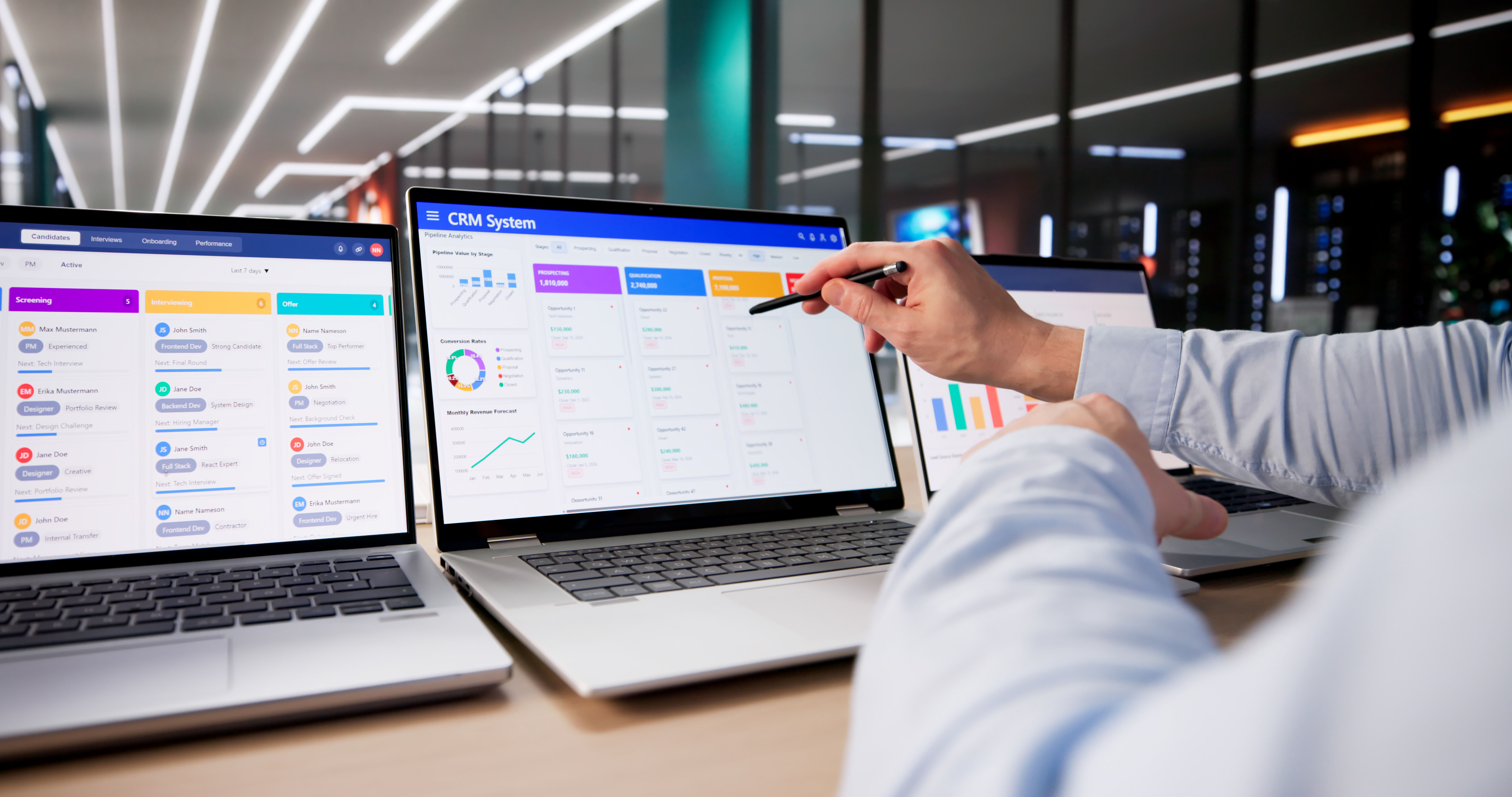
A CRM system is crucial for managing customer relationships efficiently. It organizes customer data, tracks interactions, and automates follow-ups. This not only saves time but also ensures that every customer feels valued and attended to. Investing in a CRM tailored for small businesses can be a game-changer, helping you keep track of customer interactions and preferences with ease. Explore this guide for more insights on CRM automation.
Sample Automated Workflows
Workflows automate repetitive tasks, freeing up your team's time. Picture a new customer signing up and receiving a welcome email followed by a series of introductory messages about your services. These workflows create a seamless onboarding experience, making customers feel valued right from the start. You can design workflows for various scenarios, such as post-purchase follow-ups or re-engagement campaigns, to maintain constant communication without manual intervention.
Brand Hub and the Brand Together Framework
KendallCatherine's Brand Hub and Brand Together Framework offer comprehensive solutions for small business marketing. They provide tools for CRM, marketing automation, and strategy development, all in one platform. This integration simplifies your marketing efforts, allowing you to focus on what you do best—serving your customers. With these tools, you can automate processes, track performance, and ensure consistent communication, ultimately driving growth and success for your business. For a deeper dive into marketing automation platforms, visit this resource.
By leveraging these strategies and tools, your small business can create meaningful relationships with customers, fostering trust and loyalty. Implementing these insights will empower you to connect authentically, ensuring your marketing efforts are both effective and human-centric.
